
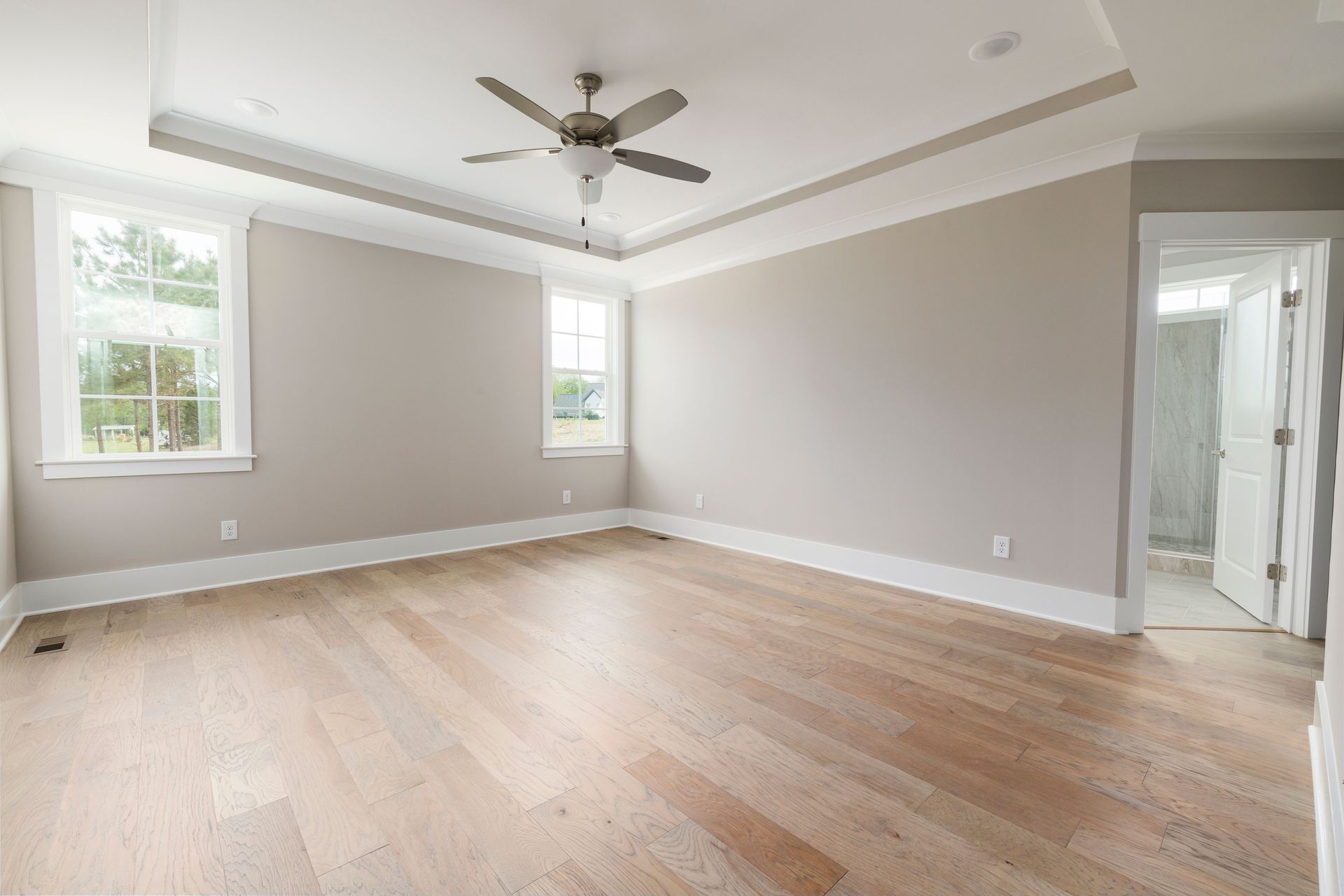
Sites Ready for Occupancy After Build
Post-Construction Cleaning in San Antonio for builders and property managers preparing residential and commercial projects for turnover
Construction debris leaves a layer of drywall dust, adhesive residue, and sawdust across every surface, even in rooms that weren't directly worked on. VIP Cleaning LLC specializes in post-construction cleanup throughout Greater San Antonio, removing the fine particulate that settles into HVAC vents, window tracks, and cabinet interiors during framing, drywall, and finish work. The service prepares properties for final inspection, occupancy, or listing photography by eliminating the haze and grit that builders don't have time to address during closeout.
The crew removes construction debris, vacuums dust from baseboards and trim, wipes down all hard surfaces, and cleans windows inside and out. North San Antonio development zones and Evans Road area projects generate steady demand for turnover cleaning as new residential and light commercial construction continues year-round in the metro.
Schedule a site walkthrough to review debris volume, surface types, and your project timeline so the crew can plan equipment and labor allocation before the first visit.
What You Notice Once Construction Cleanup Is Finished
Post-construction work begins with removal of large debris and packaging, followed by dust extraction from corners, ledges, and recessed areas where fine particulate collects. Surfaces are wiped to remove adhesive spots, paint drips, and drywall compound smears. A written scope verification ensures that each room listed in the contract receives the same level of attention, preventing missed areas that delay occupancy.
After completion, floors no longer leave footprints in dust, and running your hand along a windowsill or countertop comes away clean. Cabinet interiors and appliance surfaces are free of construction film, and HVAC vents no longer blow fine white powder into finished rooms. Light fixtures and ceiling fans operate without dust clouds when switched on for the first time.
The service includes detailed surface preparation but does not cover heavy equipment cleaning, exterior pressure washing, or removal of dried concrete or mortar from hardscape, which require specialized abrasive or chemical treatments..
Common Questions About This Service
Builders and property managers in San Antonio frequently ask these questions when coordinating post-construction cleanup with project schedules and inspection deadlines.
What distinguishes post-construction cleaning from standard janitorial work?
Construction cleanup targets fine dust and residue that standard equipment can't capture, using HEPA filtration and detail tools to remove drywall particulate from trim, vents, and window channels before final inspection.
How long does post-construction cleaning take?
Duration depends on square footage, debris volume, and surface types, but most residential properties require one to two full days, while larger commercial spaces may need multiple crew visits to complete all areas.
When should post-construction cleaning be scheduled?
Cleaning occurs after all trade work finishes and before final inspection or occupancy, allowing the property to pass walkthrough without visible dust or debris that delays turnover.
Why does San Antonio construction generate more dust than other regions?
Dry air and persistent wind mean airborne drywall dust remains suspended longer during interior work, settling into rooms far from the active construction zone and requiring broader cleanup coverage.
What documentation is provided after service?
Written scope verification confirms that each room listed in the contract received debris removal, dust extraction, and surface cleaning, providing accountability for builder closeout or property manager inspection prep.
VIP Cleaning LLC operates throughout the Greater San Antonio metro with bonded and insured crews trained in construction turnover protocols. Request a detailed estimate based on your project scope, surface conditions, and occupancy timeline.